
Europe is one of those places that just works for remote life. You get fast trains instead of long flights, reliable internet almost everywhere, and a mix of cultures that keeps things interesting even after months on the road. One week you’re working from a café in Lisbon, the next you’re answering emails from a quiet Alpine village.
I’ve spent time hopping between European cities as a remote worker, and the biggest takeaway is this: Europe rewards a bit of planning. Get the basics right, and it’s one of the easiest, most enjoyable places to live and work remotely.
Let’s break it down.
Why Europe Works So Well for Digital Nomads
Europe isn’t the cheapest region, but it’s one of the most balanced. You’re trading slightly higher costs for convenience, safety, and quality of life.
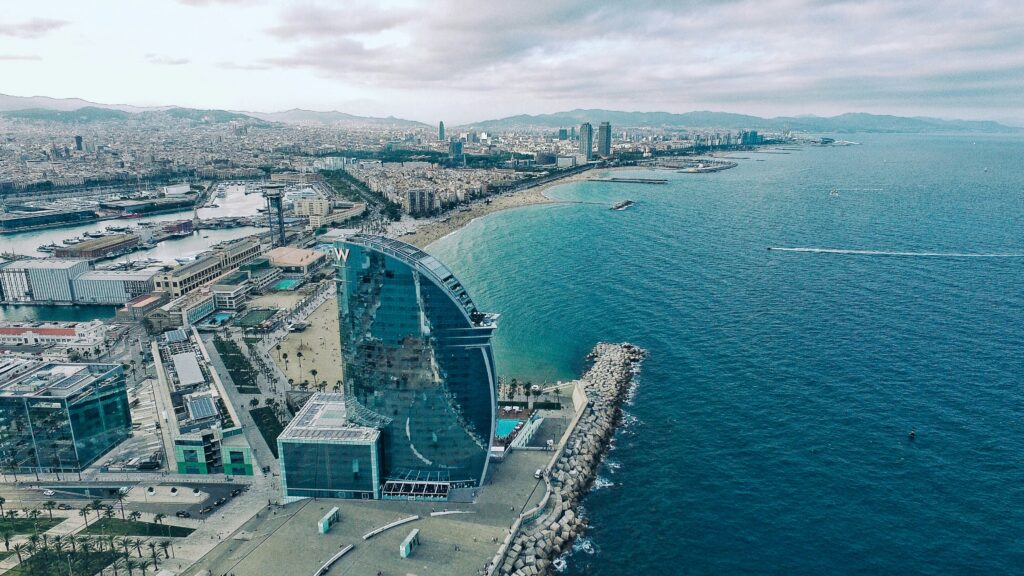
You can wake up in Barcelona, take a budget flight, and be working from Budapest by evening. Public transport is reliable, coworking spaces are everywhere, and even smaller towns often have surprisingly fast WiFi.
What really makes Europe stand out is flexibility. You can build a lifestyle around beaches, mountains, big cities, or slow countryside living, without changing continents.
Best Countries in Europe for Digital Nomads
Not all European countries are equally nomad-friendly. Some are easier on visas, others are cheaper, and a few just feel better to live in long-term.
Here’s how I’d break it down based on real-world experience.
Portugal (Best Overall Balance)
Portugal consistently ranks at the top for a reason. Lisbon and Porto offer strong nomad communities, great weather, and solid infrastructure. Smaller places like Ericeira or Madeira give you a slower pace without losing connectivity.
Cost-wise, it’s not as cheap as it used to be, but still reasonable compared to Western Europe. You’ll get a great lifestyle without blowing your budget.
Best for: First-time nomads, lifestyle balance, coastal living
Spain (Best for Lifestyle and Variety)
Spain gives you options. Barcelona for city energy, Valencia for balance, Malaga for sunshine, and Madrid for a more local feel.
Internet is fast, food is affordable, and daily life feels easy. The main downside is bureaucracy, which can slow things down if you’re staying long-term.
Best for: Food, culture, and vibrant city life
Estonia (Best for Digital Infrastructure)
If you like things efficient and digital, Estonia is hard to beat. Everything from taxes to residency can be handled online.
Tallinn has a small but focused nomad scene, and the country is one of the pioneers of digital nomad visas.
Best for: Tech workers, online businesses, simplicity
Germany (Best for Stability and Infrastructure)
Berlin is still a major hub for remote workers. Coworking spaces are everywhere, and the city attracts freelancers from all over the world.
Costs are moderate, but bureaucracy can be a challenge if you plan to stay longer.
Best for: Freelancers, creatives, long-term stability
Croatia (Best Emerging Nomad Hub)
Croatia has been growing fast in the nomad scene. Places like Split and Dubrovnik offer coastal living with decent infrastructure.
It’s more seasonal than other destinations, but that can actually work in your favor if you prefer quieter winters.
Best for: Scenic coastal life, short to mid-term stays
Hungary (Best for Affordability in Europe)
Budapest gives you that “European city” feel without Western European prices. You get beautiful architecture, good food, and a growing nomad scene.
It’s not as polished as some Western cities, but that’s part of the charm.
Best for: Budget-conscious nomads who still want a city vibe
Also check out: Best Countries for Digital Nomads
Digital Nomad Visas in Europe
Europe has been catching up fast with remote work visas. If you’re planning to stay longer than 90 days, this is where things get important.
Some of the most popular options include:
- Portugal Digital Nomad Visa – One of the most flexible, allows longer stays with relatively straightforward requirements
- Spain Digital Nomad Visa – Great option if you want to settle in a major city
- Estonia Digital Nomad Visa – Simple and fully digital application process
- Croatia Digital Nomad Residence Permit – Ideal for coastal living without long-term tax complications
Most visas require proof of remote income, usually around €2,000 to €4,000 per month, depending on the country.
If you’re just exploring, the Schengen Area allows you to stay up to 90 days within a 180-day period across most EU countries. It sounds simple, but you’ll want to track your days carefully.
Also check out: Guide to Digital Nomad Visas
Cost of Living Across Europe
Europe’s biggest surprise is how much costs can vary.
You can spend €3,000 a month in Paris without trying, or live comfortably on €1,200 in parts of Eastern Europe.
Here’s a rough breakdown:
- Budget (€1,000–€1,500/month): Bulgaria, Romania, parts of Hungary
- Mid-range (€1,500–€2,500/month): Portugal, Spain, Greece
- High-end (€2,500+/month): France, Germany, Netherlands
Accommodation will be your biggest expense, especially in cities like Lisbon or Barcelona. Booking monthly stays instead of short-term rentals can cut costs significantly. If you plan to stay in one country for a month or more, this long-stay accommodation guide explains how to find affordable monthly rentals.
If Europe is too expensive, many remote workers move to Southeast Asia, which you can learn more about in our digital nomad guide to Southeast Asia.
Internet and Coworking in Europe
This is where Europe shines.
Most cities have fast, stable internet, often exceeding 100 Mbps. Even smaller towns usually have reliable connections, which makes slow travel easier.
Coworking spaces are everywhere. You’ll find everything from polished offices in Berlin to laid-back beachside setups in Portugal.
If you prefer cafés, you’re covered too. Just be mindful that in some countries, laptops in cafés aren’t always the norm during busy hours.
Also check out: Internet Speed by Country
Getting Around Europe as a Nomad
One of the best parts of living in Europe is how easy it is to move.
Budget airlines like Ryanair and Wizz Air make cross-country travel cheap, sometimes cheaper than a train. But trains are often more comfortable and scenic, especially for shorter distances.
For example, you can work in Vienna in the morning and be in Prague by evening without much effort.
If you’re planning to move frequently, pack light. Cobblestone streets and stairs in older buildings make heavy luggage a daily struggle.
Healthcare and Insurance
Healthcare in Europe is generally excellent, but access depends on your visa and insurance.
If you’re staying short-term, travel insurance is essential. For longer stays, some digital nomad visas require private health insurance as part of the application.
Countries like Spain and Portugal have high-quality healthcare systems, but navigating them without insurance can be expensive.
How to Choose the Right European Base
Choosing where to live in Europe isn’t about finding the “best” country. It’s about finding the right fit for your lifestyle.
Here’s the framework I personally use:
- If you want sunshine and outdoor life, head to Southern Europe
- If you prefer structure and efficiency, Northern or Central Europe works better
- If budget matters most, Eastern Europe gives you the most flexibility
- If community is key, Lisbon, Barcelona, and Berlin are strong starting points
Think about your working hours too. If your clients are in the US, Western Europe is manageable. If you’re working with Asia, Eastern Europe gives you a better overlap.
Common Mistakes to Avoid
A lot of people underestimate how different Europe can be country to country. What works in Portugal might not work in Germany.
Here are a few mistakes worth avoiding:
- Assuming the Schengen rule resets when you change countries
- Booking short stays and overpaying instead of negotiating monthly rates
- Ignoring visa requirements for long-term stays
- Packing too much for frequent travel
- Not checking WiFi speeds before booking accommodation
These small details can make or break your experience.
If you are planning long-term travel in Europe, our Slow Travel Guide explains how to travel longer and spend less.
Final Thoughts: Is Europe Right for You?
If you want a mix of culture, convenience, and quality of life, Europe is hard to beat. It’s not the cheapest destination, but it’s one of the easiest places to build a sustainable remote lifestyle.
My advice? Start with one base, stay for at least a month, and then branch out. Europe rewards slow travel more than constant movement.
Once you find your rhythm here, it’s very easy to stay longer than planned.