
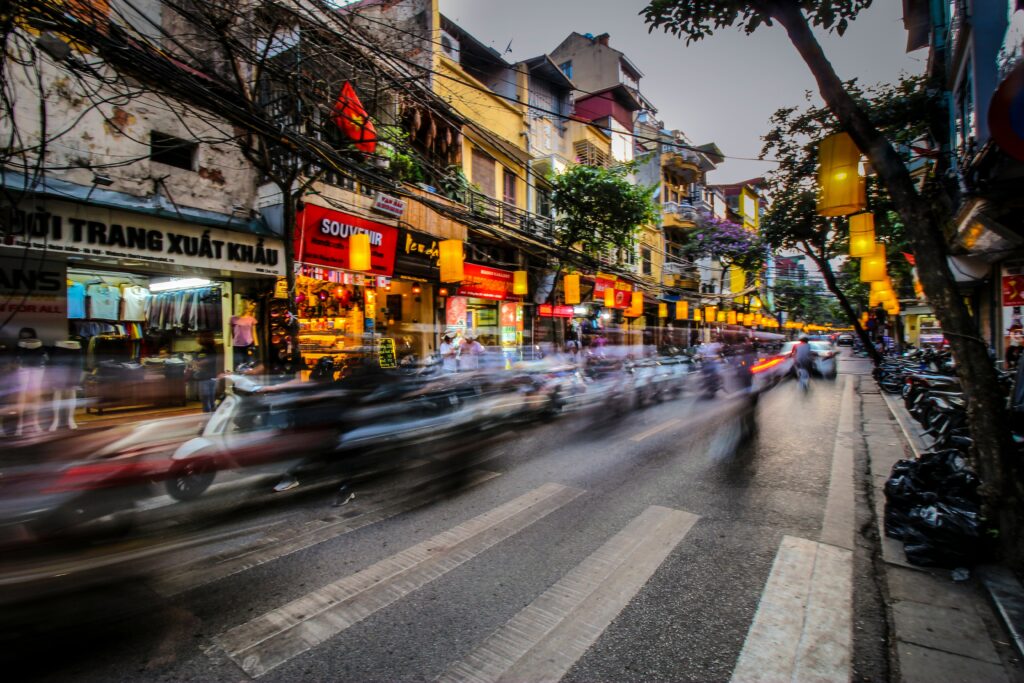
Many people start their digital nomad Southeast Asia journey because the region is affordable and easy to travel. Fast internet, coworking spaces, good food, and strong nomad communities make it one of the easiest places in the world to start working remotely while traveling.
This Digital Nomad Guide to Southeast Asia will walk you through where to go, how much it costs, visas, internet, and how to plan your stay.
Why Southeast Asia Is Perfect for Digital Nomads
Southeast Asia is often the first region people choose when they start working remotely abroad. The cost of living is low, the infrastructure in major nomad hubs is good, and it is easy to move between countries. In this guide, we will cover the best places in Southeast Asia for digital nomads, including Thailand, Vietnam, Bali, and Malaysia.
The biggest advantages for digital nomads:
- Low cost of living compared to Europe or the US
- Warm weather year-round in most countries
- Large digital nomad communities
- Coworking spaces and cafes with reliable WiFi
- Good food and affordable restaurants
- Easy travel between countries
- Many short-term visa options
In many cities, you can live comfortably for 900 to 1,500 EUR per month, including accommodation, food, coworking, and transportation.
Best Countries in Southeast Asia for Digital Nomads
Not every country in Southeast Asia is equally convenient for remote work. Some have better infrastructure, stronger digital nomad communities, or easier visa situations. Below are some of the best countries in Southeast Asia for digital nomads, based on cost of living, internet quality, and overall lifestyle.
Thailand
Thailand is one of the most popular digital nomad destinations in the world. Cities like Chiang Mai and Bangkok have fast internet, coworking spaces, modern apartments, and large expat communities. Chiang Mai is known for its low cost of living and relaxed lifestyle, while Bangkok offers big city life, nightlife, and international connections. Thailand is a great choice for both beginner and experienced digital nomads.
Estimated monthly budget:
- Chiang Mai: 800 to 1,200 EUR
- Bangkok: 1,100 to 1,600 EUR
Vietnam
Vietnam is one of the most affordable countries in Southeast Asia and has become very popular with digital nomads in recent years. Da Nang is especially popular because it combines beaches, good infrastructure, and a growing remote work community. Ho Chi Minh City is busier and more urban but has many coworking spaces, cafes, and apartments for long stays. Food, transport, and accommodation are all very affordable.
Estimated monthly budget:r
- Da Nang: 900 to 1,300 EUR
- Ho Chi Minh City: 1,000 to 1,500 EUR
Indonesia (Bali)
Indonesia, especially Bali, has been a digital nomad hub for many years. Areas like Canggu and Ubud are full of coworking spaces, cafes, networking events, and remote workers from all over the world. Bali offers a good balance between work and lifestyle, with beaches, nature, gyms, and social communities. It is not as cheap as it used to be, but it is still affordable compared to Europe or North America.
Estimated monthly budget:
- Bali: 1,100 to 1,700 EUR
Malaysia
Malaysia is one of the most underrated digital nomad destinations in Southeast Asia. Kuala Lumpur is a modern city with excellent infrastructure, fast internet, comfortable apartments, and good public transport. It feels more developed than many other cities in the region, but the cost of living is still relatively affordable. Malaysia is a good option if you want comfort, reliability, and a modern city lifestyle.
Estimated monthly budget:
- Kuala Lumpur: 1,100 to 1,600 EUR
Philippines
The Philippines is a good option for digital nomads who want island life, beaches, and a more relaxed lifestyle. However, internet can be unreliable on smaller islands, so most remote workers stay in larger cities like Cebu or Manila. The Philippines is more spread out than other Southeast Asian countries, but it offers beautiful nature, friendly locals, and relatively low living costs.
Estimated monthly budget:
- Cebu: 1,000 to 1,400 EUR
- Manila: 1,100 to 1,500 EUR
Best Cities in Southeast Asia for Digital Nomads
Southeast Asia has many cities that are popular with remote workers, but each one offers a different lifestyle. Some are better for saving money, some for nightlife, some for beaches, and some for a more comfortable long-term base. Below are some of the best cities in Southeast Asia for digital nomads and what each place is best for.
Chiang Mai, Thailand
Chiang Mai is one of the most popular digital nomad cities in the world, especially for people who are new to working remotely while traveling. The city is affordable, easy to live in, and full of cafes and coworking spaces. The lifestyle is relaxed, there are many gyms and markets, and it is very easy to meet other digital nomads. The main downside is the burning season when air quality becomes very poor.
Best for: beginners, saving money, slow travel, relaxed lifestyle
Bangkok, Thailand
Bangkok is a huge, modern city with excellent infrastructure, fast internet, and endless food options. It is a great place if you like big cities, nightlife, shopping malls, and international restaurants. Apartments are modern, public transport is good, and there are many coworking spaces across the city. Bangkok works well as a base if you want city life and easy flights around Asia.
Best for: big city lifestyle, nightlife, food, international connections
Da Nang, Vietnam
Da Nang is one of the best places in Southeast Asia if you want a beach city that is still affordable and comfortable to live in. The city is relatively clean, less chaotic than big cities, and has many cafes and apartments near the beach. Many digital nomads like Da Nang because it offers a good balance between work, lifestyle, and cost of living.
Best for: beach lifestyle, affordability, quieter city, long stays
Ho Chi Minh City, Vietnam
Ho Chi Minh City is busy, loud, and chaotic, but many digital nomads love the energy of the city. There are countless cafes to work from, many coworking spaces, cheap food, and affordable apartments. The city has great nightlife and a very strong cafe culture, which makes it easy to work from different places every day.
Best for: city life, cafe culture, nightlife, food, urban lifestyle
Canggu, Bali
Canggu is one of the biggest digital nomad hubs in the world. There are coworking spaces, networking events, gyms, beach clubs, and cafes designed for remote workers. The lifestyle here is very social and lifestyle focused, but traffic can be bad and prices are higher than in many other places in Southeast Asia.
Best for: networking, social life, coworking spaces, surf, nomad community
Ubud, Bali
Ubud is much quieter than Canggu and attracts digital nomads who prefer a slower lifestyle surrounded by nature. Many people come here for yoga, healthy food, and a more focused work routine. There are still coworking spaces and cafes, but the overall lifestyle is calmer and less party oriented.
Best for: slow lifestyle, nature, yoga, wellness, focused work
Kuala Lumpur, Malaysia
Kuala Lumpur is one of the most comfortable cities in Southeast Asia. Apartments are modern and often include pools and gyms, internet is fast, and the city has excellent infrastructure. It is a great choice if you want a modern city with reliable internet, comfortable living, and a more long-term base rather than a backpacker destination.
Best for: modern lifestyle, comfort, infrastructure, long-term base
Cebu, Philippines
Cebu is one of the better places in the Philippines for digital nomads because it has coworking spaces, shopping malls, and access to many beautiful islands nearby. Internet is not always perfect, but many remote workers use Cebu as a base and travel to nearby islands on weekends and short trips.
Best for: island life, diving, beaches, travel base, relaxed lifestyle
Cost of Living in Southeast Asia for Digital Nomads
The cost of living in Southeast Asia is one of the main reasons remote workers choose this region. Compared to Europe, North America, or Australia, you can live comfortably here for much less, especially if you stay in one place for a month or longer.
Your monthly budget will depend mostly on accommodation, how often you eat Western food, and how often you travel between countries. Flights, visas, and moving often can increase your expenses quickly, so slow travel is usually much cheaper. Living in Southeast Asia as a digital nomad can be very affordable if you stay in one place for a month or longer.
Typical monthly budget for digital nomads in Southeast Asia:
| Category | Monthly Cost |
|---|---|
| Accommodation | 400 – 900 EUR |
| Food | 200 – 350 EUR |
| Coworking | 80 – 150 EUR |
| Transport | 50 – 100 EUR |
| SIM card / Internet | 10 – 20 EUR |
| Entertainment | 100 – 200 EUR |
| Total | 900 – 1,500 EUR |
If you live very locally, cook often, and rent long-term accommodation, you can spend under 1,000 EUR per month. If you choose luxury apartments, coworking spaces, and travel frequently, your budget can easily reach 1,800 EUR or more.
Internet and Coworking Spaces in Southeast Asia
Internet quality in Southeast Asia is generally good in major cities and digital nomad hubs, but it can be unreliable on small islands or in rural areas. If you plan to work remotely Southeast Asia, it is important to choose cities with reliable internet and coworking spaces.
Cities with generally reliable internet:
- Chiang Mai
- Bangkok
- Kuala Lumpur
- Da Nang
- Ho Chi Minh City
- Canggu and Ubud (Bali)
Coworking spaces are very common in popular digital nomad destinations, especially in Bali, Thailand, Vietnam, and Malaysia. Many digital nomads work from a mix of cafes, coworking spaces, and their apartments.
Before booking long-term accommodation, it is always a good idea to:
- Ask for an internet speed test
- Check reviews mentioning WiFi
- Have a local SIM card with mobile data as backup
- Know where the nearest coworking space is
Having backup internet can save you a lot of stress if apartment WiFi stops working.
Visas for Digital Nomads in Southeast Asia
Visa rules change often, but Southeast Asia is still relatively easy for long-term travel compared to many other regions. Most digital nomads use tourist visas, visa exemptions, or short-term visas and move between countries every one to three months.
General visa overview (always check official immigration websites):
- Thailand: visa exemption or tourist visa, extensions possible
- Vietnam: e-visa, usually 30 to 90 days
- Indonesia: visa on arrival, 30 days plus extension
- Malaysia: visa-free entry for many nationalities, often 90 days
- Philippines: visa-free entry with extensions possible
Many digital nomads rotate between Thailand, Vietnam, Indonesia, and Malaysia to stay in the region long term.
Best Time to Visit Southeast Asia as a Digital Nomad
Weather in Southeast Asia varies by country, but the region generally has dry and rainy seasons instead of winter and summer. Rainy season does not usually mean constant rain, but there can be heavy tropical storms and humidity.
General weather patterns:
- Thailand, Vietnam, Cambodia: best from November to March
- Bali, Indonesia: best from May to October
- Malaysia and Singapore: rain throughout the year
- Philippines: best from December to May
Many digital nomads move between countries depending on the season. For example, Bali during the dry season and Thailand or Vietnam during their cooler months.
Example Digital Nomad Route in Southeast Asia (3–6 Months)
If this is your first time working remotely in Southeast Asia, it is best to keep your travel simple and move slowly. Changing countries every few weeks can be tiring and expensive.
Example route:
Month 1: Bangkok
Month 2: Chiang Mai
Month 3: Da Nang
Month 4: Ho Chi Minh City
Month 5: Bali (Canggu or Ubud)
Month 6: Kuala Lumpur
This route works well because flights are cheap, each city is digital nomad-friendly, and you experience different lifestyles like big cities, mountains, and beaches.
Pros and Cons of Being a Digital Nomad in Southeast Asia
Pros
- Low cost of living
- Warm weather
- Good food
- Large digital nomad communities
- Many coworking spaces
- Easy travel between countries
- Apartments available for monthly rent
- Good lifestyle for work-life balance
Cons
- Visa runs and visa limitations
- Traffic in big cities
- Air pollution in some cities
- Internet can be unstable on islands
- Humidity and heat
- Long distance from Europe and America
- Moving often can be tiring
Overall, for many digital nomads, the advantages of Southeast Asia still strongly outweigh the disadvantages.
Final Thoughts: Is Southeast Asia Good for Digital Nomads?
Southeast Asia is one of the easiest regions in the world to become a digital nomad. It is affordable, relatively easy to travel around, and there are many cities where you can work comfortably online.
Many digital nomads start in Southeast Asia because it allows them to keep costs low while learning how to work remotely, travel slowly, and build a sustainable lifestyle. Whether you prefer big cities, beach towns, or quieter places in nature, Southeast Asia offers many good options for remote workers.
If you plan your accommodation, visas, and work setup properly, Southeast Asia can be one of the best places in the world to live and work as a digital nomad.
If you are deciding between regions, you can also read our digital nomad guide to Europe to compare costs, visas, and lifestyle.